
Contents
- 🎵 Origins & History
- ⚙️ How It Works
- 📊 Key Facts & Numbers
- 👥 Key People & Organizations
- 🌍 Cultural Impact & Influence
- ⚡ Current State & Latest Developments
- 🤔 Controversies & Debates
- 🔮 Future Outlook & Predictions
- 💡 Practical Applications
- 📚 Related Topics & Deeper Reading
- Frequently Asked Questions
- References
- Related Topics
Overview
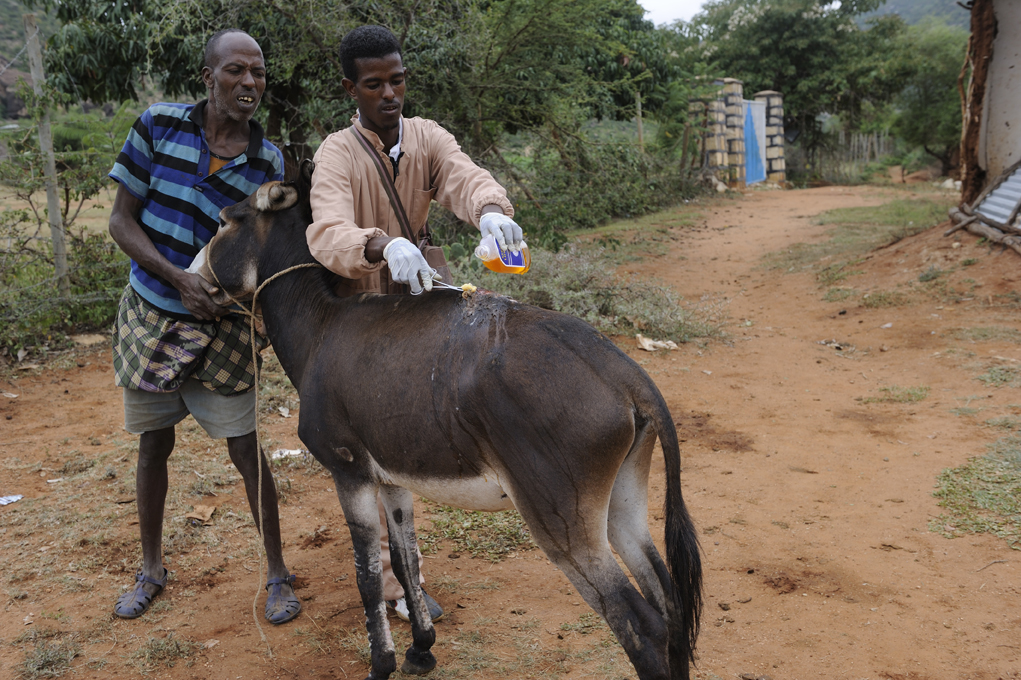
Veterinary medicine is the branch of medicine that deals with the prevention, diagnosis, and treatment of diseases, disorders, and injuries in non-human animals. With a wide scope covering all animal species, veterinary medicine is practiced by veterinary physicians, paraveterinary workers, and other professionals. It plays a crucial role in maintaining human health through the monitoring and control of zoonotic diseases, food safety, and medical research. According to the American Veterinary Medical Association, there are over 100,000 veterinarians in the United States alone, with the industry expected to grow 18% by 2025. The field has a rich history, dating back to ancient civilizations, with notable figures such as Claude Bourgelat, who founded the first veterinary school in Lyon, France in 1761.
🎵 Origins & History
Veterinary medicine has its roots in ancient civilizations, with evidence of animal care dating back to the Egyptians, Greeks, and Romans. The first veterinary school was established in Lyon, France in 1761 by Claude Bourgelat, marking the beginning of formal veterinary education. Today, veterinary medicine is a global industry, with veterinarians and paraveterinary workers playing critical roles in animal healthcare, research, and conservation. For example, the World Animal Protection organization works to improve animal welfare worldwide, while the American Veterinary Medical Association provides resources and support for veterinarians in the United States.
⚙️ How It Works
The practice of veterinary medicine involves a range of professionals, including veterinary physicians, veterinary nurses, veterinary technicians, and veterinary assistants. These individuals work together to provide medical care, diagnose diseases, and develop treatment plans for animals. Veterinary medicine also involves the use of various technologies, such as MRI and CT scans, to aid in diagnosis and treatment. Additionally, organizations like the Animal Welfare Institute work to promote animal welfare and prevent animal cruelty.
📊 Key Facts & Numbers
Key facts about veterinary medicine include the fact that there are over 100,000 veterinarians in the United States alone, with the industry expected to grow 18% by 2025. Veterinary medicine also plays a critical role in maintaining human health, with veterinarians working to monitor and control zoonotic diseases, such as Rabies and Influenza. Furthermore, veterinary medicine has led to numerous breakthroughs in human medicine, including the development of vaccines and antibiotics. For instance, the Centers for Disease Control and Prevention works closely with veterinarians to track and prevent zoonotic diseases.
👥 Key People & Organizations
Notable individuals in the field of veterinary medicine include James Herriot, a British veterinarian and author, and Temple Grandin, an American veterinarian and autism spokesperson. Organizations such as the American Veterinary Medical Association and the World Veterinary Association also play important roles in promoting veterinary medicine and supporting veterinarians worldwide. Moreover, the Veterinary Information Network provides a wealth of resources and information for veterinarians and animal owners alike.
🌍 Cultural Impact & Influence
Veterinary medicine has had a significant impact on culture and society, with veterinarians and animals playing important roles in literature, art, and film. For example, the novel All Creatures Great and Small by James Herriot has become a classic of veterinary literature. Additionally, the use of animals in research and testing has raised important ethical questions, with many organizations, such as the Humane Society of the United States, working to promote animal welfare and reduce animal testing. The Association of American Veterinary Medical Colleges also works to promote veterinary education and research.
⚡ Current State & Latest Developments
The current state of veterinary medicine is one of rapid growth and development, with new technologies and treatments being developed all the time. For example, the use of stem cells and gene therapy is becoming increasingly common in veterinary medicine. However, there are also challenges facing the industry, such as the rising cost of veterinary care and the need for more veterinarians in underserved areas. The National Institutes of Health also provides funding and support for veterinary research and education.
🤔 Controversies & Debates
Controversies in veterinary medicine include the use of animals in research and testing, as well as the ethics of certain veterinary practices, such as euthanasia. There are also debates about the role of veterinarians in promoting animal welfare and reducing animal suffering. Organizations such as the American Animal Hospital Association and the International Association of Animal Behavior Consultants work to promote animal welfare and provide resources for veterinarians and animal owners.
🔮 Future Outlook & Predictions
The future of veterinary medicine is likely to involve continued advances in technology and treatment, as well as a greater focus on animal welfare and conservation. For example, the use of artificial intelligence and machine learning is becoming increasingly common in veterinary medicine, with applications in diagnosis, treatment, and research. Additionally, there is a growing recognition of the importance of One Health, which recognizes the interconnectedness of human, animal, and environmental health. The World Organisation for Animal Health also works to promote animal health and welfare worldwide.
💡 Practical Applications
Practical applications of veterinary medicine include the development of new treatments and technologies, such as vaccines and antibiotics. Veterinary medicine also plays a critical role in maintaining human health, with veterinarians working to monitor and control zoonotic diseases. Furthermore, veterinary medicine has led to numerous breakthroughs in human medicine, including the development of organ transplantation and gene therapy. For instance, the National Center for Biotechnology Information provides a wealth of resources and information on veterinary medicine and animal health.
Key Facts
- Year
- 1761
- Origin
- Lyon, France
- Category
- resources
- Type
- concept
Frequently Asked Questions
What is veterinary medicine?
Veterinary medicine is the branch of medicine that deals with the prevention, diagnosis, and treatment of diseases in non-human animals. It involves a range of professionals, including veterinary physicians, veterinary nurses, and veterinary assistants, and plays a critical role in maintaining human health through the monitoring and control of zoonotic diseases.
What are some notable applications of veterinary medicine?
Veterinary medicine has led to numerous breakthroughs in human medicine, including the development of vaccines and antibiotics. It has also played a critical role in maintaining human health through the monitoring and control of zoonotic diseases, such as rabies and influenza.
What are some controversies in veterinary medicine?
Controversies in veterinary medicine include the use of animals in research and testing, as well as the ethics of certain veterinary practices, such as euthanasia. There are also debates about the role of veterinarians in promoting animal welfare and reducing animal suffering.
What is the future of veterinary medicine?
The future of veterinary medicine is likely to involve continued advances in technology and treatment, as well as a greater focus on animal welfare and conservation. For example, the use of artificial intelligence and machine learning is becoming increasingly common in veterinary medicine, with applications in diagnosis, treatment, and research.
How does veterinary medicine impact human health?
Veterinary medicine plays a critical role in maintaining human health through the monitoring and control of zoonotic diseases, such as rabies and influenza. It has also led to numerous breakthroughs in human medicine, including the development of vaccines and antibiotics.
What are some related topics in veterinary medicine?
Related topics in veterinary medicine include animal welfare, conservation, and public health. These topics are all interconnected, with veterinarians playing critical roles in promoting animal welfare, conserving wildlife, and maintaining human health.
How has veterinary medicine evolved over time?
Veterinary medicine has evolved significantly over time, from its origins in ancient civilizations to the present day. The establishment of the first veterinary school in Lyon, France in 1761 marked the beginning of formal veterinary education, and the field has continued to grow and develop since then.
What are some notable organizations in veterinary medicine?
Notable organizations in veterinary medicine include the American Veterinary Medical Association, the World Veterinary Association, and the Humane Society of the United States. These organizations play important roles in promoting veterinary medicine, supporting veterinarians, and promoting animal welfare.